
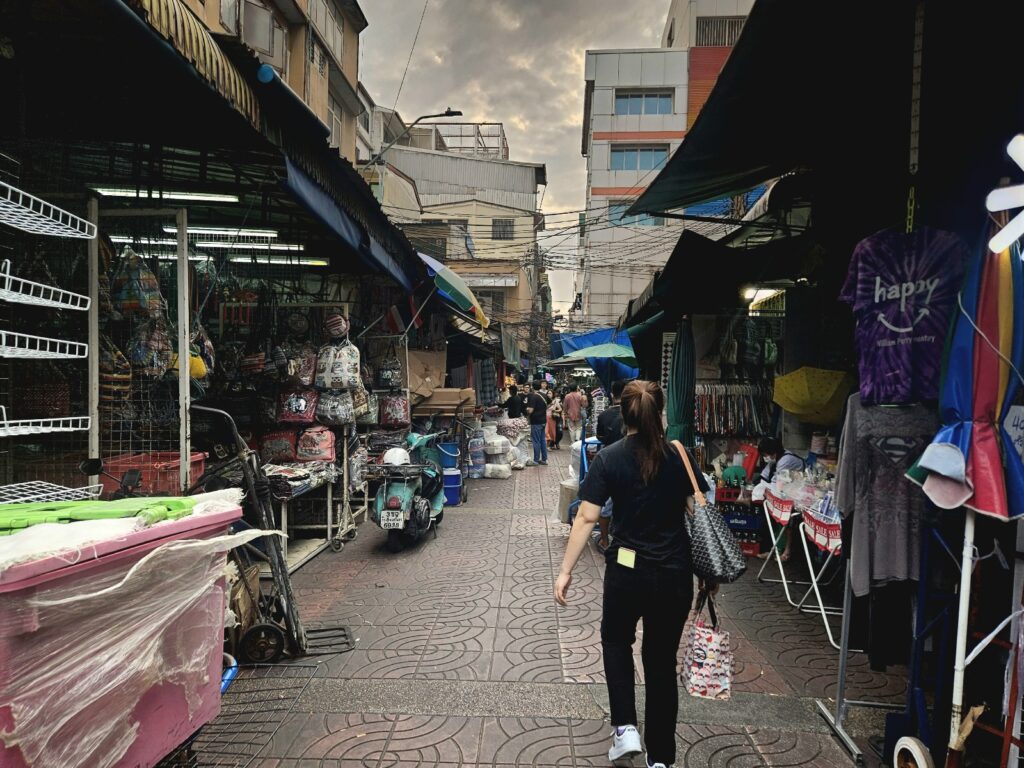
Bangkok hits hard on day one. The heat, the traffic and the noise can feel overwhelming, especially if this is your first stop in Southeast Asia. Many travellers leave Bangkok too quickly, feeling like they can never settle into the city. In most cases, they simply did not stay long enough.
Three full days is a realistic amount of time to understand Bangkok without burning out, which is why a well-paced 3 days in Bangkok itinerary makes such a difference for first-time visitors. It lets you see Bangkok’s essential sights, sample its famous street food, and experience everyday life beyond the highlights. With sensible pacing and a loose structure, Bangkok becomes approachable and will leave you wanting more.
Bottle Cap Moments in Bangkok
Some of the moments that stay with you in Bangkok cost nothing at all. A plastic stool dinner beside strangers who quickly feel familiar. A quiet temple courtyard hidden behind traffic noise. A ferry ride where you see things that you would have otherwise missed.
These are what I call Bottle Cap Moments. They happen when you stop chasing highlights and allow space for the city to show itself. This 3 days in Bangkok itinerary is built to leave room for those moments — the unscripted ones that happen when you walk a little further, sit a little longer, or take the slower option.
Bangkok rewards curiosity far more than rushing. The best memories often come from the spontaneous moments between plans.
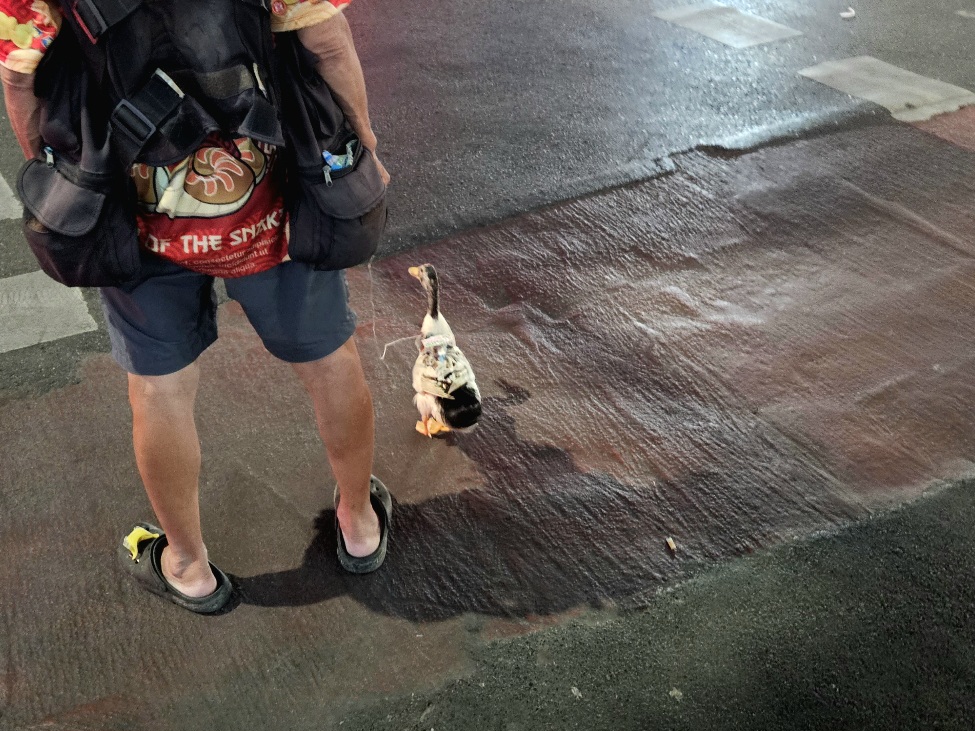
This 3 days in Bangkok itinerary is written for first-time visitors, backpackers, and independent travellers. It combines free attractions with must-see landmarks to save money, helps you navigate the transport system and reflects the reality of travelling Bangkok on a budget. Everything here is based on time spent navigating the city slowly, and learning from the mistakes I made on repeated visits to the city.
Day 1: Old Bangkok and the River – 3 Days in Bangkok Itinerary
For your first full day, limit how far you move. Staying within one main area reduces travel time and helps you learn how Bangkok operates. Also, you will want to acclimatise to the heat before tackling anything big. The historic centre and the Chao Phraya River are ideal starting points for first-time visitors.
Grand Palace and Wat Phra Kaew (Must See | 500THB)
The Grand Palace often intimidates visitors because of busy crowds and strict dress rules. Despite this, it remains one of Bangkok’s most important cultural sites. It provides essential context to Thailand’s monarchy, religion, and national identity.
The Grand Palace opens at 8.30am so aim to arrive early if you want a quieter visit, ideal for taking photos and avoiding midday heat. Wear covered shoulders and trousers or a long skirt. Expect crowds and plan two hours for the visit. Trying to rush through diminishes the experience and means you’ll miss parts.
Wat Pho and the Reclining Buddha (Low Cost | 300THB)
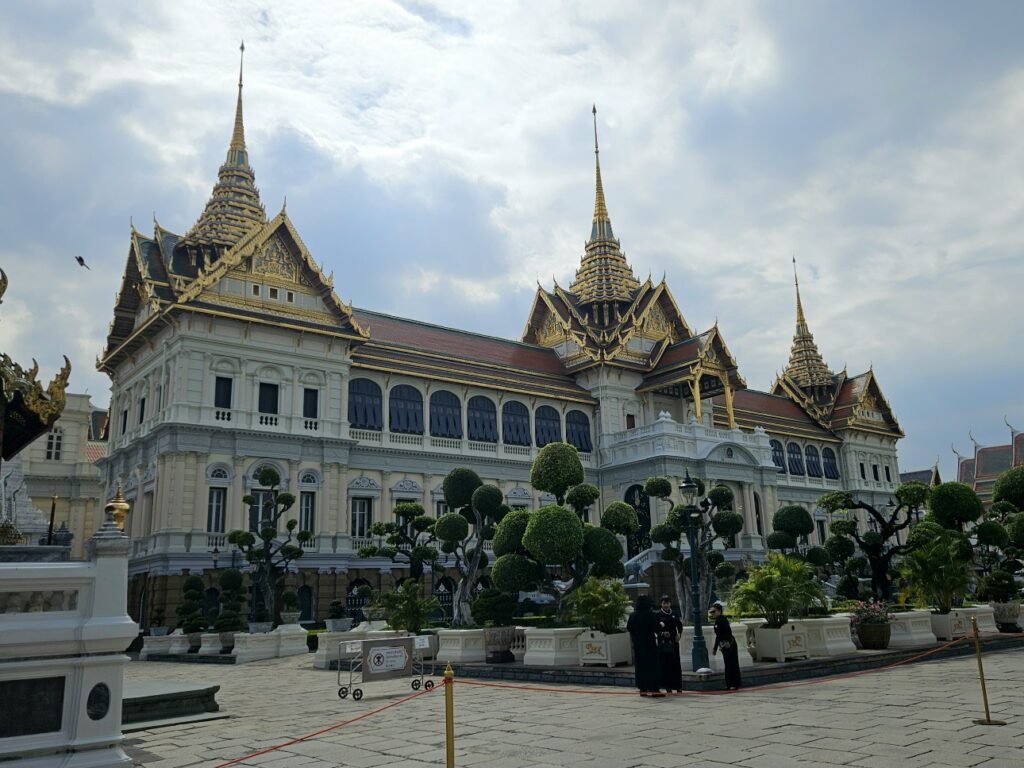
A short walk from the Grand Palace is Wat Pho, home to the famous Reclining Buddha. I noticed that the atmosphere was calmer than nearby attractions, despite the number of people snapping pics.
The scale of the statue is impressive, but the surrounding courtyards leave a strong impression with their traditional architecture.
Take time to walk through the temple grounds. Many visitors miss the quieter corners where monks study and locals pray, which adds depth to the experience.
Travel the Chao Phraya River (Low Cost)
After visiting temples, slow the pace during the midday heat. Walk along the river or use public ferries to move between areas. Local river boats are inexpensive and provide one of the best introductions to Bangkok.
Bottle Cap Tip: Ride the Blue Flag (Tourist) or Chao Phraya (Orange) ferry to the last stop for 40 Baht. This is an inexpensive way to see the main river sites. Do not pay hundreds for a tour as you only get the same views as the public ferry. Bottle Cap Moments are created from moving like a local.
The river shows daily life in motion: commuters, vendors, families, and freight all sharing the same waterway. It is an experience that costs very little and adds depth to your understanding of the river’s importance to the development of Bangkok.
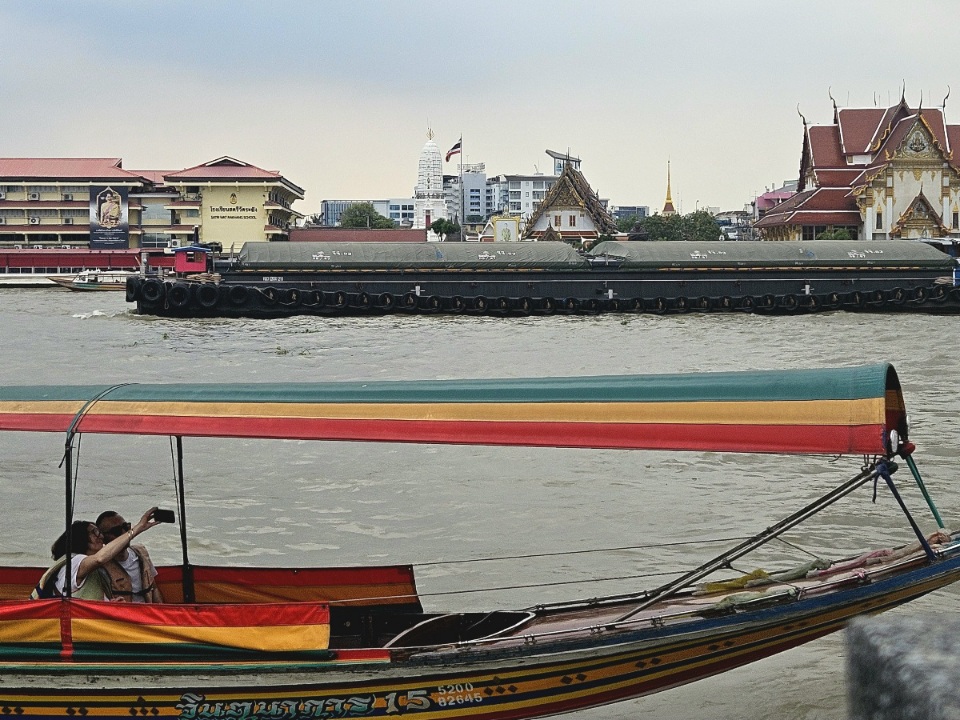
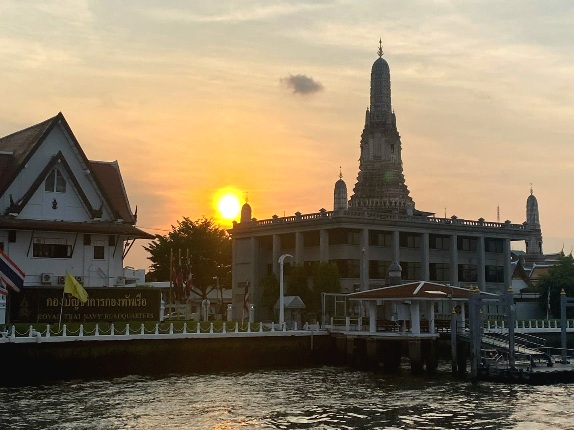
If you do this in the evening, you can watch the sunset with Wat Arun as the backdrop. A million dollar view that costs a fraction of the price.
Evening Chinatown Street Food Exploration (Low Cost)
Street food is an essential part of Bangkok life. Chinatown, Banglamphu, and the areas around Khao San Road (Soi Kraisi and Phra Athit Road) offer great options. Look for stalls with high turnover and locals eating. Trust that the locals know good food.
Yaowarat road in Chinatown has an abundance of food stalls offering traditional Chinese dishes. The surrounding streets are also home to Michelin recommended food stalls so you will find great food here. It is worth heading here after dark as the neon signs light up the street, adding to the authentic experience.
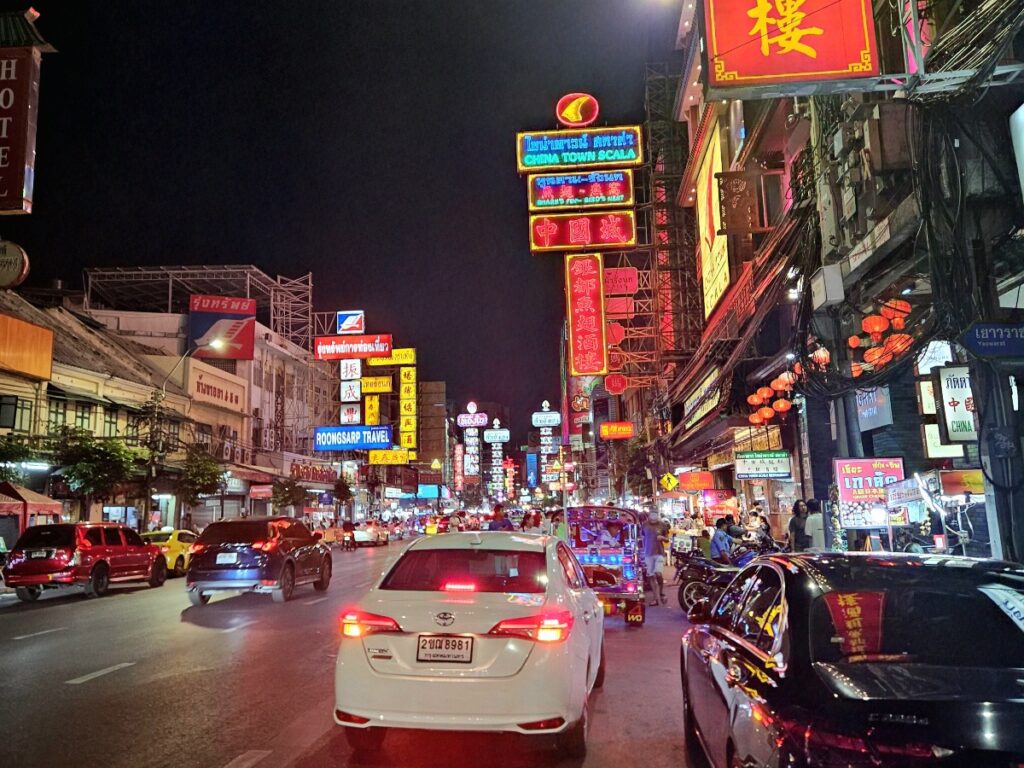
Do not overthink meals. Pick what looks good and sample small portions if unsure. Aiming for quality over quantity ensures you will sample the best dishes Bangkok has on offer.
If you are worried about spice, saying ‘ped nit noi’ means a little spice, or saying ‘mai ped’ means no spice. Sellers usually understand and will adjust accordingly.
Day 2: Neighbourhoods, Markets, and Modern Bangkok
By the second day, navigating the city feels more comfortable. Today focuses on seeing the heart of city life, showing how traditional neighbourhoods sit alongside modern infrastructure.
Morning Market Visit (Free)
If your visit falls on a weekend, Chatuchak Market is worth experiencing for the sheer scale alone. Arrive early and treat it as a walking experience rather than a shopping mission. Though if you are confident haggling there are some bargains to be had.
Prices at larger markets are often inflated for visitors, particularly in tourist-heavy areas. If something feels expensive, it usually is. Treat markets as a cultural experience first and only negotiate when you genuinely plan to buy.
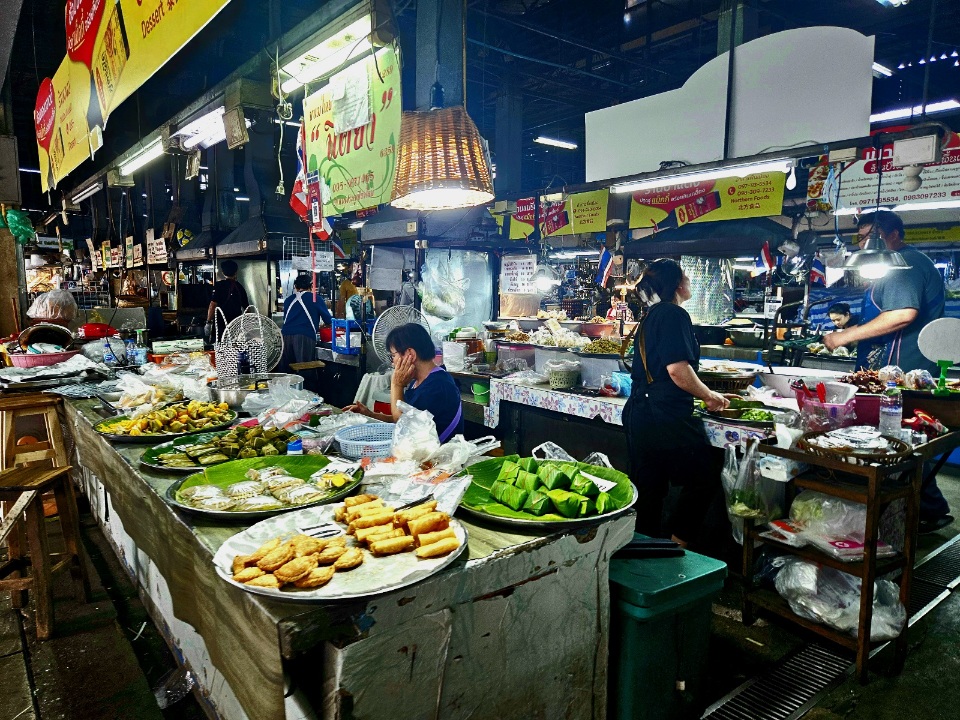
On weekdays, explore local markets near your accommodation. Bangkok has hundreds of markets so you won’t need to travel far to find one. Markets offer insight into daily routines and prices. Even without spending money, you can have Bottle Cap moments.
Explore a Local Neighbourhood on Foot (Free)
Choose one neighbourhood and walk slowly. Chinatown is suitable for first-time visitors if you didn’t visit on your first day. Siam District is home to massive malls and shopping centres. Sukhumvit is modern and popular for shopping, but most famous for its nightlife. Talat Noi offers cafés, temples, street art, and residential life all in one small area.
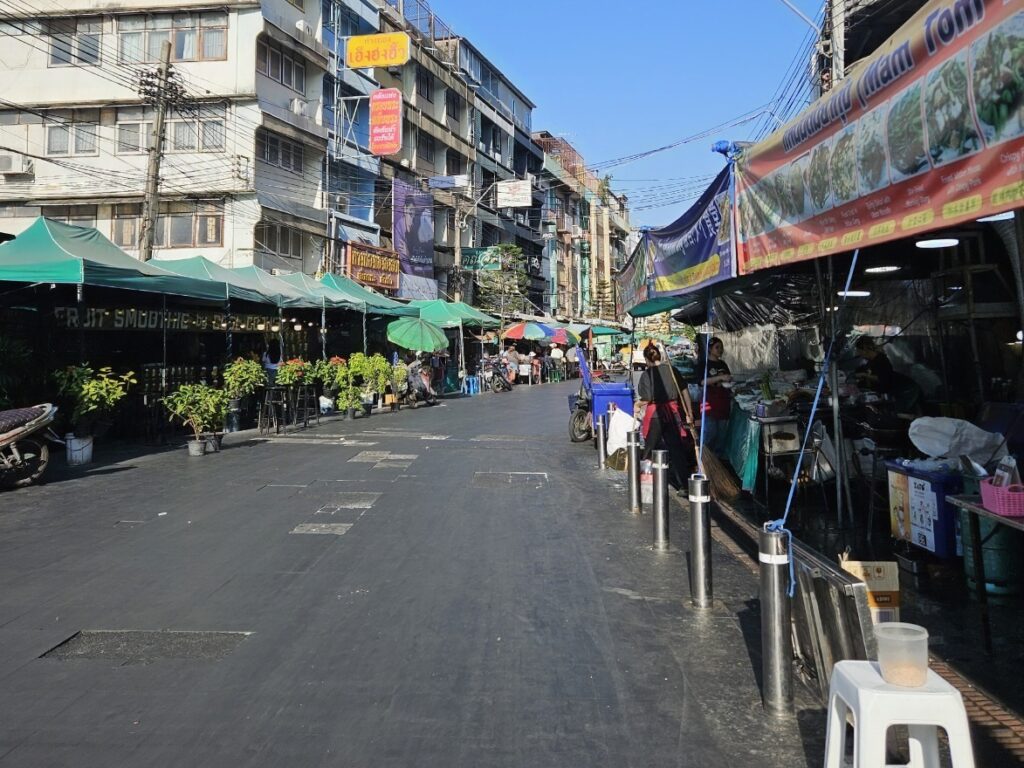
Walking without a strict plan allows the city to reveal itself naturally. Bangkok has a lot to experience tucked away from the main attractions.
Lunch at a Mall Food Court (Budget Friendly)
Shopping malls in Bangkok house some of the best budget food options in the city. Food courts are clean, affordable, and reliable.
Terminal 21 is popular for its fair prices and variety, though many malls offer similar quality. MBK centre is a better option if you want to focus on shopping bargains and discounted goods instead of the food experience.
BTS Skytrain Ride and City Views (Low Cost)
The BTS Skytrain provides an elevated view of Bangkok and is a good way for first-time visitors to see the city skyline without the expense of visiting a skybar. Ride for a few stops and disembark where something catches your attention.
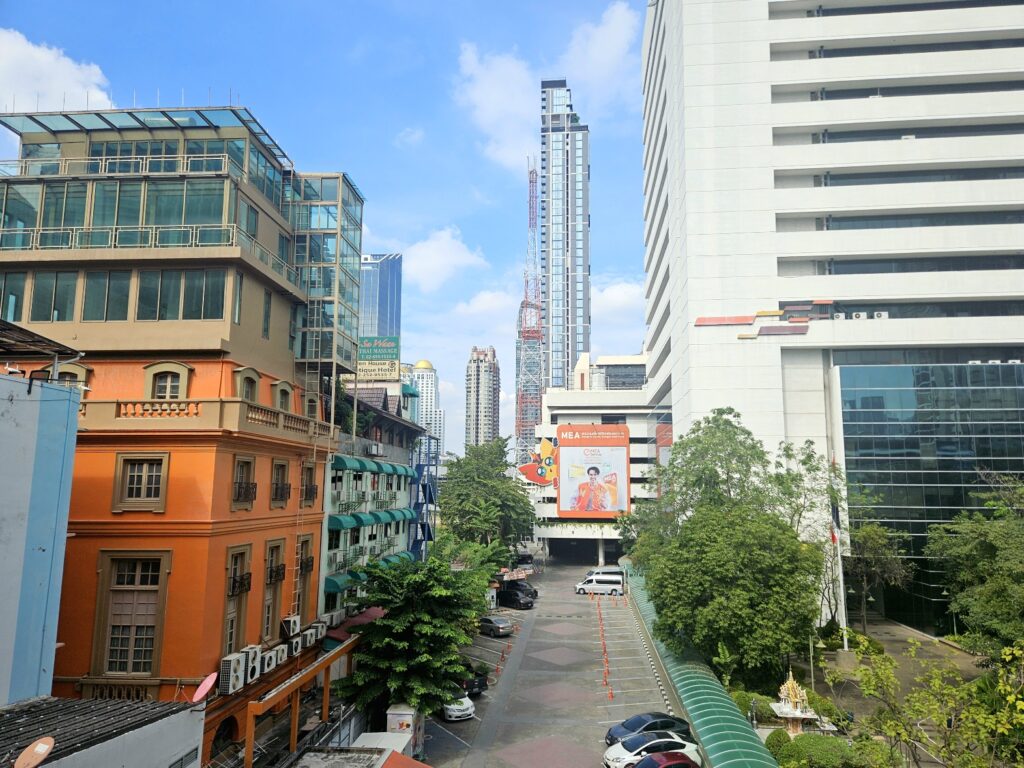
The system is efficient, air-conditioned, and easy to navigate with English signage.
Evening Walk or Night Market (Free Entry)
Night markets offer an atmosphere without requiring spending. Visit for people-watching, casual eating, and city life after sunset. Areas near the river or converted railway markets are particularly enjoyable.
Day 3: Slow Spaces and Reflection
Many travellers underestimate how physically demanding Bangkok can be. Heat and stimulation accumulate. The final day of the 3 days in Bangkok itinerary is designed to be lighter and relaxing, which is great if you have a long journey ahead.
Park Time in the City (Free)
Lumphini Park offers shaded paths, open space, and a rare sense of calm. It is an ideal place to walk, stretch, or sit quietly.
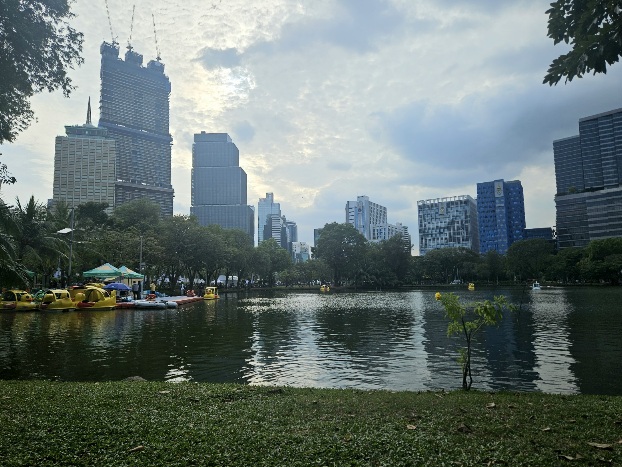
Bring water and allow yourself time to wander without a plan.
Coffee Stop or Local Café (Optional Spend)
Bangkok has a strong cafe scene that offers affordable quality. Use this as a pause rather than a destination. Staying longer than planned often leads to better experiences. Plus you can use this time to plan the rest of your Southeast Asia trip.
One Final Cultural Stop (Optional)
If you have some energy left and want to explore further, visit Wat Saket, the Golden Mount, for city views after climbing 344 steps. Sunset views here are spectacular.
Alternatively the national museum delivers a deep insight into Thai history if you want to learn more before departing. I highly recommend this for history enthusiasts.
Sunset by the River (Free)
If you have an evening left, return to the river in the evening. Light softens, boat traffic slows, and the city feels more reflective. Ending your visit here brings a sense of closure.
Optional Extras If You Have More Time or Energy
This 3 days in Bangkok itinerary is designed to stand on its own. However, if you have extra energy, or an additional half day, and want to cram as much in as possible, then consider these alternatives:
Ayutthaya Day Trip from Bangkok (Full Day)
Ayutthaya day trip is one of the most popular, particularly for those interested in Thai history. The former capital offers temple ruins, open space, and historical context that contrasts sharply with modern Bangkok.
Be prepared for an early start. An Ayutthaya day trip from Bangkok adds travel time and physical effort. A full-day trip usually involves around 10 hours including travel. If your 3 days in Bangkok already feel full, Ayutthaya is better saved for another visit.
Floating Markets Near Bangkok
Floating markets and train markets are frequently promoted as must-see attractions, though expectations matter. Many of the most accessible floating markets operate primarily for visitors rather than locals. Be prepared for overinflated prices and stalls all selling the same products.
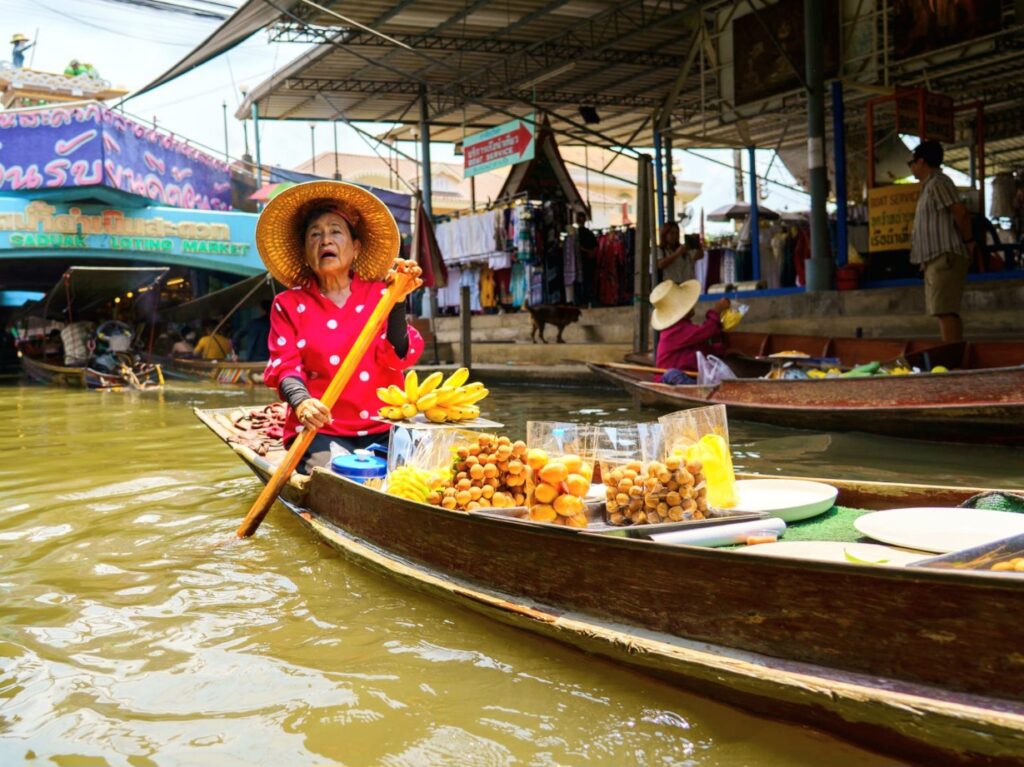
They can still be enjoyable if approached as a cultural experience rather than an authentic daily market. If your time or energy is limited, local neighbourhood markets within Bangkok often provide a more realistic insight with far less travel.
Khao San Road at Night (Short Visit)
Khao San Road is closely associated with backpacker travel in Bangkok. This is the place most backpackers stay and get drawn into the party atmosphere. Be warned: It is loud, crowded, and tourist-focused, and it does not reflect everyday city life.
A short evening walk is usually enough to soak up the atmosphere and see the stalls selling novelty items to draw tourists in. It works best as a brief stop to see the backpacker scene in Bangkok rather than a main event within a 3 days in Bangkok itinerary. If you do want to spend a night on Khaosan Road, be prepared to allocate the following morning to nursing a hangover.
Getting Around Bangkok During Your 3 Days
Transport worries are common for first-time visitors. Bangkok is manageable once you understand a few basics.
Public ferries, BTS Skytrain, MRT subway, and walking cover most needs.
Taxis and ride-hailing apps (Grab) are useful for short distances, though peak city traffic can double the length of journeys.
Local buses are very cheap but are the slowest form of transport.
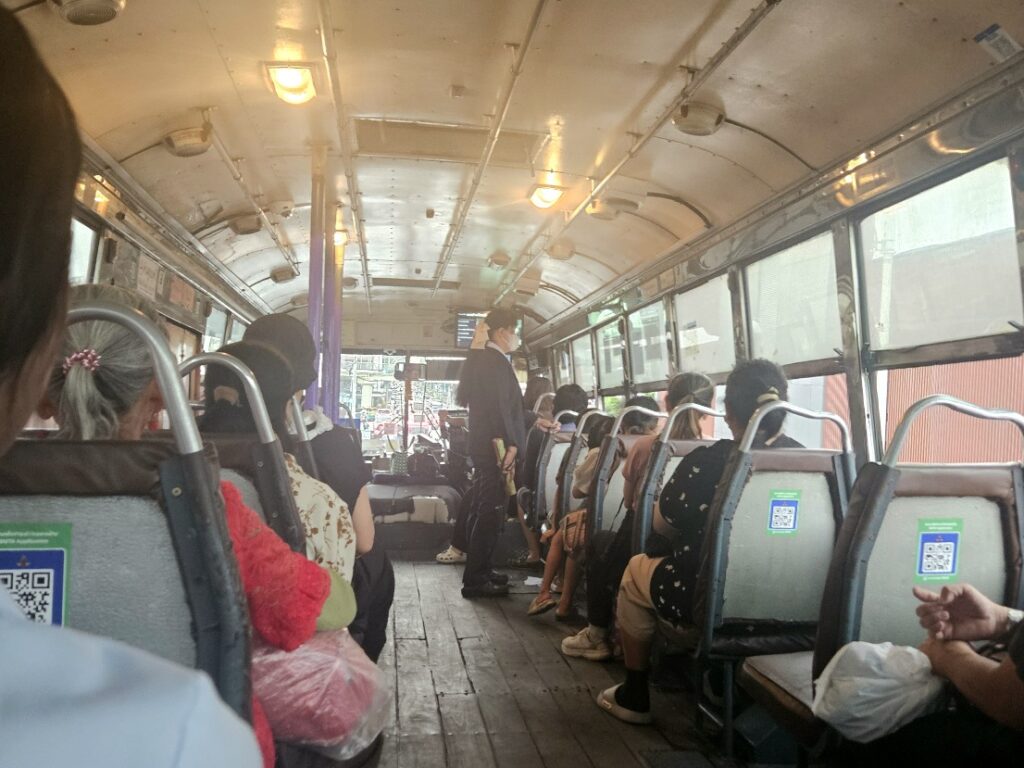
Plan fewer destinations each day and allow time between them. This approach reduces frustration when getting transport and improves overall enjoyment.
Practical Tips for First-Time Visitors
Stay hydrated and carry water at all times. Bangkok is incredibly hot and the heat means you will lose a lot of fluid throughout the day. To prevent dehydration, I recommend adding electrolytes in your water, or getting mineral water to replace lost salts.
Dress modestly at temples and carry light cover-ups. Some temples are very strict on dress code and buying or renting clothing can cost hundreds of Baht.
Expect slower movement during midday heat. The heat is draining and even locals work their day around avoiding midday heat.
Cash is widely used for markets and street food. Cards are rarely accepted other than in hotels and higher end establishments. Always carry cash to avoid being unable to pay for something.
Frequently Asked Questions About a 3 Days in Bangkok Itinerary
Is 3 days in Bangkok enough for first-time visitors?
Three days in Bangkok is enough to experience the city without feeling overwhelmed. A focused 3 days in Bangkok itinerary allows you to see key temples, explore local neighbourhoods, use public transport confidently, and enjoy Bangkok’s food scene while still having time to rest. Don’t try to cram everything in as burnout is the fastest way to ruin your visit.
What is the best way to plan a 3 day Bangkok itinerary?
The best approach is to group sights by area and limit long journeys. A strong 3 days in Bangkok itinerary focuses on the historic centre and river first, explores a different neighbourhood or market on day two, and finishes with slower activities on day three. This reduces travel time and fatigue. Don’t feel bad for missing anything out as Bangkok would take weeks to fully explore. Pick what interests you and enjoy exploring.
How much money do you need for 3 days in Bangkok?
The great thing is that Bangkok caters to all budgets. A budget-conscious 3 days in Bangkok itinerary that uses public transport, street food, free attractions, and low-cost temples can be completed comfortably without high daily spending. Accommodation will usually be the biggest variable. For budget travelers, £35 per day is easily doable, though if you want to add in tours and attractions, £50 is more reasonable.
How to avoid scams in Bangkok for first time visitors?
Bangkok is generally safe, but first-time visitors should be cautious around major attractions, particularly when approached by strangers offering help without being asked.
A common scam involves someone claiming a temple or attraction is closed and insisting on an alternative. If a site looks open, it usually is. Walk on and check for yourself. Also check official opening times as Bangkok doesn’t always follow the schedule you expect.
When using taxis, insist on the meter being used or choose ride-hailing apps where prices are set in advance. If a driver refuses, simply get out and find another. This is normal and rarely leads to confrontation.
Tuk-tuks require caution. Very low fares are often used to justify longer routes with stops at gem shops, tailors or petrol stations. If a driver insists on extra stops or promotes a tour deal that feels rushed, then do not accept.
Most travellers never experience any serious issues. Staying aware and trusting your instincts is usually enough.
Put the 3 Days in Bangkok Itinerary into action
Bangkok rarely impresses at first glance. It grows on you through exploring and seeing the little things that make this city unique. A meal eaten on a plastic stool. A quiet temple hidden behind traffic. A boat ride that turns chaos into calm.
Spending three days in Bangkok provides long enough to understand how to get around without struggling but short enough to not feel exhausted. This 3 days in Bangkok itinerary is built around that idea. Fewer long journeys and forced highlights. More space to walk, eat, rest, or observe. By grouping areas using the river and public transport, whilst also balancing busy days with slower ones, Bangkok becomes manageable for first time visitors.
Along the way, you will collect Bottle Cap Moments too. These are the kind you do not plan for, cannot photograph properly, and remember long after the itinerary ends.
If Bangkok is part of your route through Thailand or Southeast Asia, give it these three days. Arrive curious, stay patient, and let the city surprise you.

Another very useful read.
Thanks.
Thanks for reading. Glad you found it useful!